
Dr. Barrera performs many reconstructive plastic surgery procedures. These include breast reconstruction after breast removal for cancer (mastectomy), correction of chest wall deformities, fat injections to replace atrophied fat tissue, and more.
Dr. Barrera performs all aesthetic surgery procedures and most reconstructive surgeries at his Accredited Ambulatory Surgical Facility (AAAASF) under IV sedation and local anesthesia, without the need for general anesthesia (painless during the procedure and minimal pain afterwards). This provides added safety and faster recovery. Most patients are able to go home within an hour from the end of the 1 to 2 hour procedure with minimal discomfort.
What is Reconstructive Plastic Surgery and How is it Different from Plastic Surgery Procedures like Breast Augmentation?
Most of the plastic surgery procedures that are known today are done for cosmetic improvements. Breast augmentation is a great example. This type of plastic surgery is performed to enhance the natural appearance of the breasts. A reconstructive breast procedure, on the other hand, is performed to restore the most natural appearance after an injury or, most commonly, breast cancer treatment. The word we look at to differentiate between the most common plastic surgery procedures and reconstructive plastic surgery is "reconstructive." This term tells us that there is repair in mind; that the goal is to rebuild a part of the body that has been damaged in some way.
How Common is Reconstructive Plastic Surgery?
Approximately one million reconstructive surgery procedures are performed each year. According to The Aesthetics Society, 365,000 breast reconstruction procedures were performed in 2021. That's 1,000 medically-necessary procedures every day of the year. Dr. Barrera has a wealth of training and experience performing reconstructive breast surgeries as well as other reconstructive procedures to repair significant scarring and other anomalies. His objective in each case is the same, to restore as much function and aesthetic appeal as possible.
Does Insurance Cover Reconstructive Plastic Surgery?
Insurance coverage for plastic surgery can be somewhat of a challenge. Generally, the question that must be answered is whether the recommended procedure is medically necessary or is sought for cosmetic reasons. This is an interesting guidepost because one could argue that breast reconstruction is done for those very reasons. The difference, however, is that if you've undergone a mastectomy, lumpectomy, or other treatment for breast cancer, your disease and necessary treatment may have very likely altered the natural appearance of your breasts. Reconstruction is just the closure you may need to bring your breast cancer journey full circle.
What is Involved in Reconstructive Breast Surgery?
Breast reconstruction procedures have become relatively common. They're so common that doctors have developed multiple ways to rebuild natural-looking, feeling breasts after breast cancer treatment. Each case of breast reconstruction is unique. Dr. Barrera may reconstruct breasts using silicone or saline breast implants. There may be a need to expand the pocket into which breast implants can be inserted, which may take weeks or months using breast expanders. Some patients prefer or are best suited to flap procedures that help reconstruct one or both breast mounds. Furthermore, the timing of reconstructive breast surgery can differ from one person to another. You may elect to have your reconstruction done, or at least started, at the time of your mastectomy or lumpectomy. Conversely, you may choose to allow yourself some time to heal after your breast cancer treatment before considering reconstruction. This is one of the wonderful aspects of reconstructive procedures; you get to choose. You didn't get to choose whether or not you developed breast cancer. You do get to choose how you want to look afterward, how you want to achieve your goals, and when you take that next step.
If you are interested in having a detailed consultation and evaluation by Dr. Barrera do not hesitate in contacting our office.
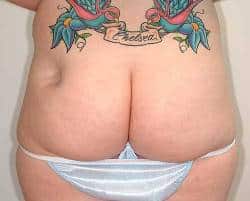
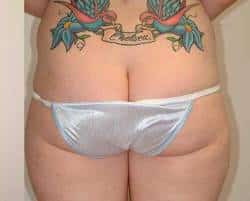
Reconstructive Plastic Surgery Photo Gallery
Frequently Asked Questions
Breast reconstruction may be an option for patients whose breasts have been altered by a mastectomy, lumpectomy, or other breast cancer treatment. The appropriate approach depends on your prior treatment, anatomy, health, and reconstruction goals. Dr. Barrera can evaluate these factors and discuss the options available to you.
Breast reconstruction does not always have to take place at the time of a mastectomy. Some patients choose delayed reconstruction after they have healed from breast cancer treatment. Dr. Barrera can evaluate your current anatomy and treatment history to determine which reconstructive options may be appropriate.
Yes, reconstruction may be considered after a lumpectomy when breast cancer treatment has altered the breast's natural appearance. Your treatment plan depends on the changes that need correcting and your individual goals.
Dr. Barrera may reconstruct the breast using silicone or saline implants, while some patients may be better suited to a flap procedure. The appropriate method depends on your individual circumstances and reconstruction goals. A detailed evaluation can help determine the best approach for you.
Breast reconstruction may involve multiple stages depending on the technique used. For example, some implant-based reconstructions require tissue expanders to gradually create space for an implant over several weeks or months. Your reconstruction plan and timeline will be tailored to your needs.
Breast reconstruction is designed to restore as much of the breast's natural appearance as possible after cancer treatment. Because every patient's anatomy and treatment history are different, Dr. Barrera will evaluate your breasts and discuss what can realistically be achieved with reconstruction.
Dr. Barrera performs fat injections as part of his reconstructive work, including procedures that replace atrophied fat tissue. Whether fat grafting is appropriate for your breast reconstruction depends on your individual needs and will be determined during your evaluation.