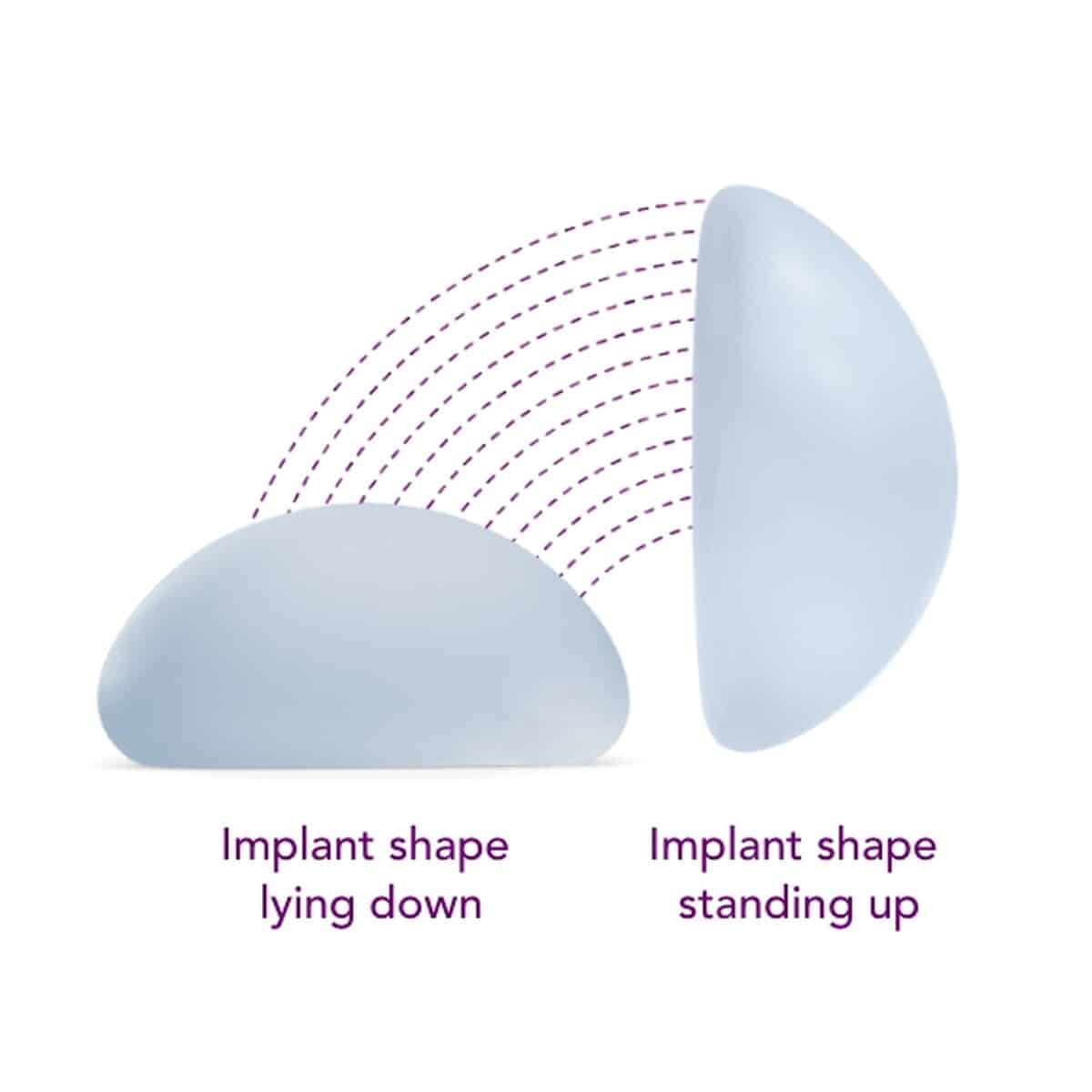
Breast augmentation is one of the most commonly performed cosmetic procedures in the United States. Women choose breast enlargement for many personal reasons, including naturally smaller or underdeveloped breasts, noticeable size differences, or changes that occur after pregnancy, breastfeeding, weight loss, or aging. Others are happy with their overall shape but would like a fuller look.
Dr. Alfonso Barrera and Dr. Eric Ruff are experienced plastic surgeons who specialize in breast procedures at West Houston Plastic Surgery in Houston, Texas. Their goal is to create balanced results that align with each patient’s body and preferences.
What Is Breast Augmentation?
Breast augmentation surgery is performed by cosmetic plastic surgeons and is a surgical procedure to improve breast shape and size. Breast enhancement using breast implants can give a woman a more proportional shape and may improve self-esteem.
Who Is A Good Candidate For Breast Implant Surgery?
One or more of the following feelings or conditions may indicate that you are a good candidate for breast augmentation:
- You are bothered by the feeling that your breasts are too small
- Clothes that fit well around your hips are often too large at the bustline
- You feel self-conscious wearing a swimsuit or form-fitting top
- Your breasts have become smaller and lost their firmness after having children
- Weight loss has changed the size and shape of your breasts
- One of your breasts is noticeably smaller than the other
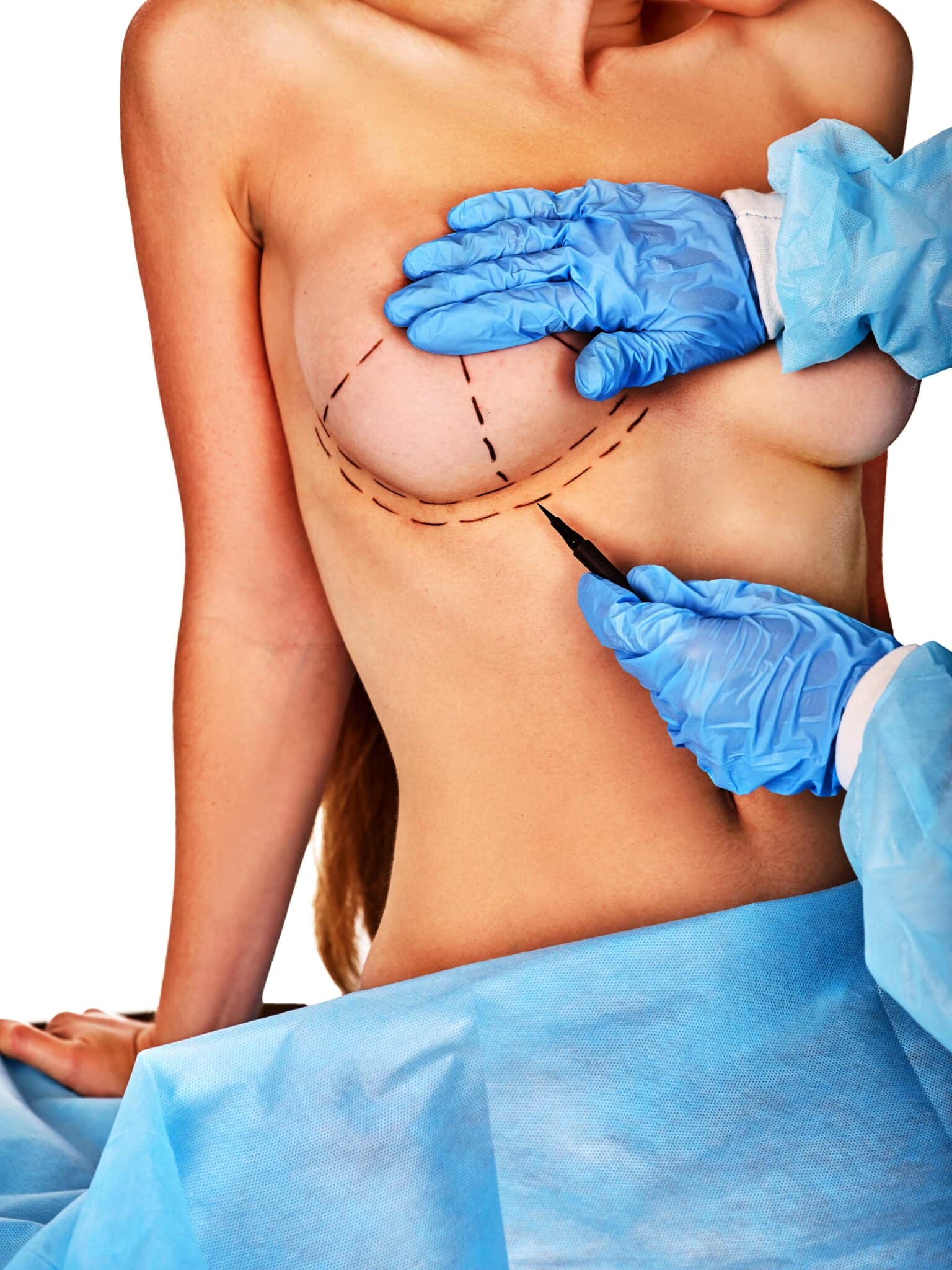
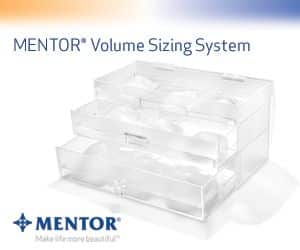
During the consultation, you will be asked about your desired breast size and anything else related to the appearance of your breasts that you feel is important. This will help Dr. Barrera and Dr. Ruff to understand your expectations and determine whether they realistically can be achieved. Additionally, to minimize stress regarding the size, we will have you try various implant sizes under a special bra, so you can select the size you like.
Breast Augmentation Under IV Sedation
Why Patients Choose Breast Enhancement Surgery
Breast augmentation is designed to increase the size of small or underdeveloped breasts. Breast surgery can also restore and enhance your breast volume if it has decreased as a result of pregnancy and breastfeeding. In addition, breast implants can serve one or more of a number of purposes; breast cancer victims can use breast implants for reconstructive purposes after mastectomy, or women with asymmetrical breasts may use a single breast implant to balance the difference in size.
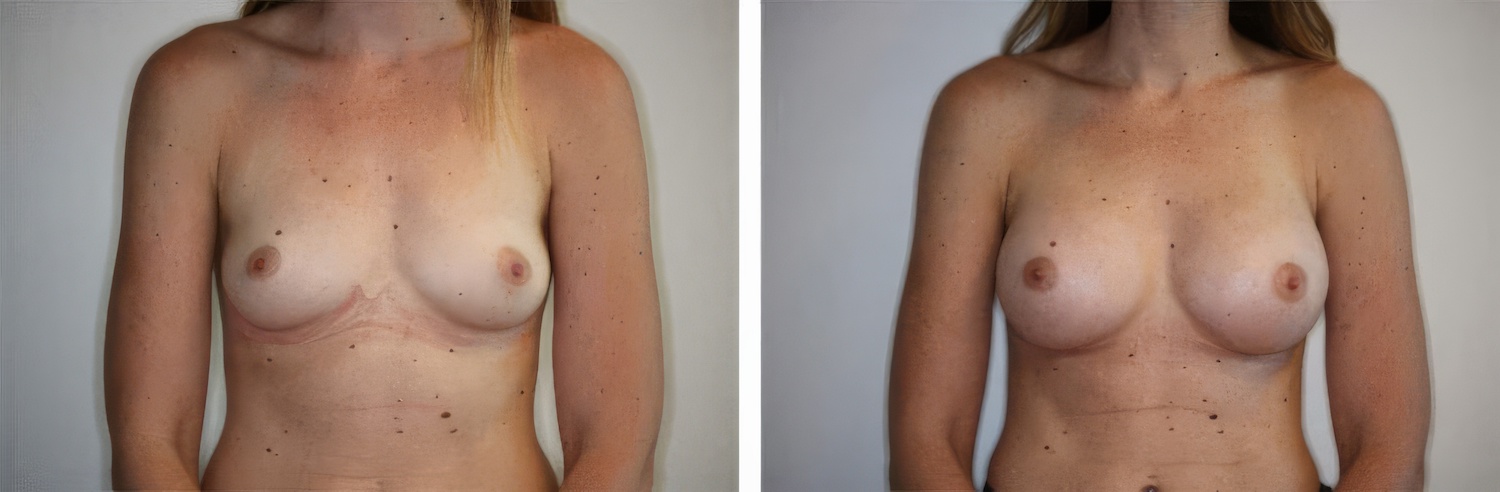
Breast Augmentation Before & After
Breast Augmentation Patient Testimonial
"May God give you and your family many blessings!!! I feel like a new woman!!! I don’t feel like a freak any longer. You are the ?Greatest? Plastic Surgeon in the World!!! Now after 3 years I can finally go out on a date!! And that’s because you fixed my breasts. I know you must think it is silly but not to a woman, appearance is very important!!We can’t help that we are vain creatures. So, to say the least I am extremely happy and I will tell all my friends what a Great Surgeon you are!! May God bless you and your loved ones."
Breast Implant Placement Options
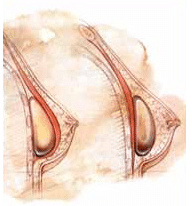
Breast implants are placed in a carefully created pocket either directly behind the breast tissue (over the muscle) or beneath the pectoral muscle (under the muscle), which sits between the breast tissue and the chest wall. The incision is typically made in the natural crease under the breast, usually about 4 cm in length, where it is well concealed once healed.
In most patients, the implant is placed over the pectoral muscle because natural breast tissue lies above the muscle. This approach often results in less post-operative discomfort and prevents visible movement of the implant when the chest muscles contract. For patients with very little natural breast tissue, placing the implant under the muscle may provide additional coverage and a smoother contour. The final decision is based on anatomy and surgical judgment.
After surgery, the breasts are supported with gauze dressings or a surgical bra. Patients typically return home shortly after the procedure with minimal discomfort.
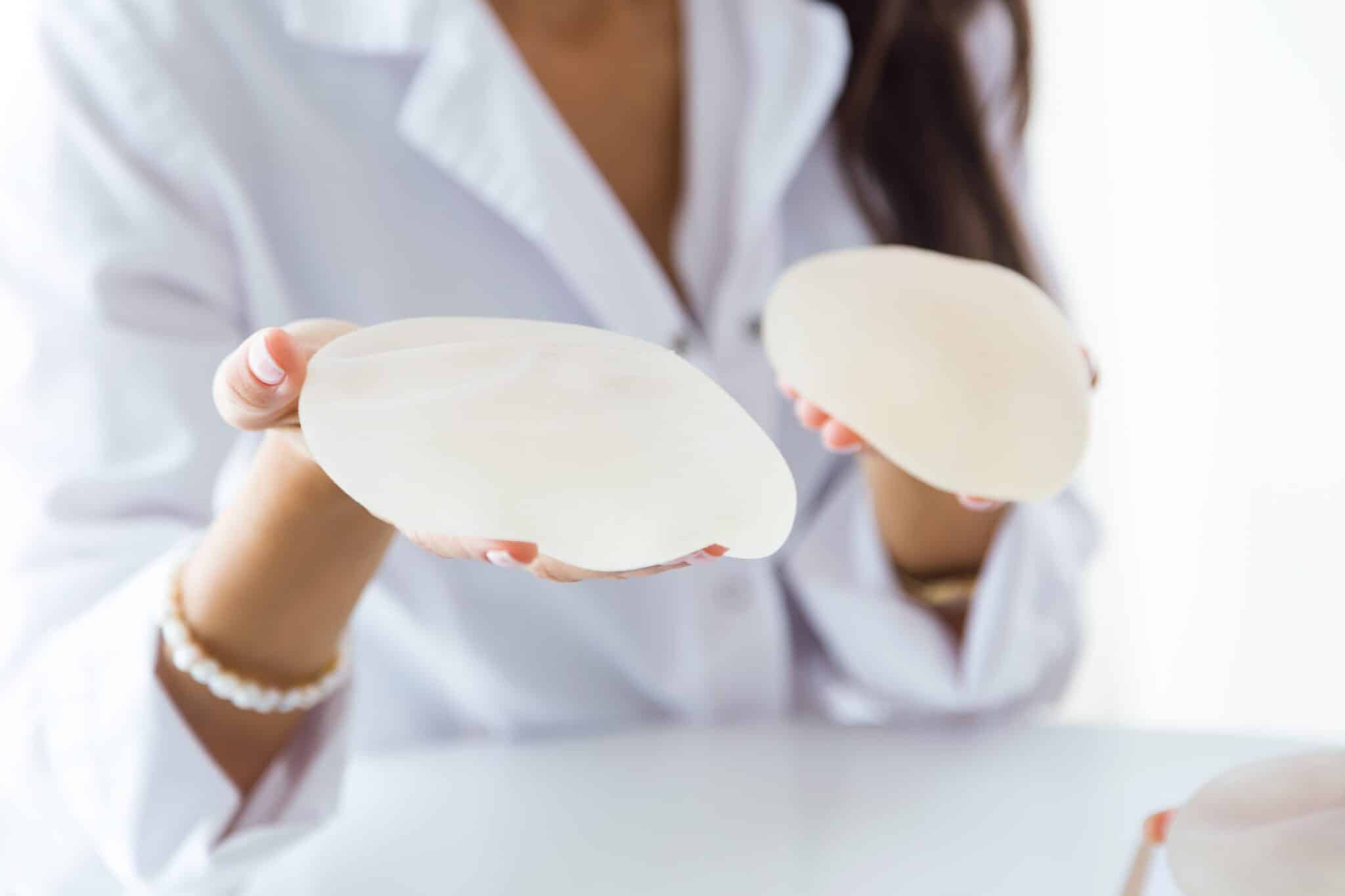
The recommended implant size and type are based on your goals, body frame, existing breast tissue, and the preferences discussed during consultation. All modern breast implants have a durable silicone outer shell and are filled with either saline or silicone gel.
What are the Different Types Of Breast Implants?
- Saline breast implants: Filled with sterile saltwater. Saline implants may be pre-filled to a predetermined size. Saline may also be filled at the time of surgery to allow for minor modifications in implant size.
- Silicone-filled breast implants: Filled with a soft, elastic gel. All silicone breast implants are pre-filled and may require a longer incision for implant placement.
Breast Augmentation Procedure
Dr. Barrera and Dr. Ruff perform breast augmentation at their Accredited Ambulatory Surgical Facility (AAAASF). The procedure is completed under intravenous sedation and local anesthesia, without the need for general anesthesia. Patients remain comfortable during surgery and typically experience minimal discomfort afterward. This approach supports safety and allows for a smoother recovery.
In most cases, the implants are placed over the pectoral muscle, since natural breast tissue sits above the muscle. This placement often results in less post-operative discomfort and avoids changes in breast shape when the chest muscles contract. For very thin patients with limited breast tissue, the implant may be placed under the muscle to provide additional coverage, based on the surgeon’s clinical judgment and experience.
Once surgery is complete, the breasts are wrapped in gauze dressings or supported with a surgical bra. Patients are usually able to return home shortly after the procedure and resume light activity with minimal discomfort.
Recovery After Breast Augmentation
Recovery after breast augmentation is generally straightforward. Most patients return home the same day wearing a surgical bra or supportive garment. Mild to moderate soreness, swelling, and tightness are common during the first several days. Prescription or over-the-counter medication can help manage discomfort.
Many patients return to non-strenuous work within a few days to a week, depending on how they feel. Light walking is encouraged early to promote circulation, but heavy lifting and upper body exercise should be avoided for several weeks. Swelling gradually improves over the first few weeks, and implants begin to settle into a more natural position over time. Final results are typically visible after several months once tissues have fully healed.
Follow-up visits are scheduled to monitor healing and ensure everything is progressing as expected.
Combining Implants With a Breast Lift
In some cases, breast augmentation alone may not achieve the desired result, especially if the breasts have sagged due to pregnancy, weight loss, or aging. When the skin has stretched and the nipples sit lower on the breast, a breast lift (mastopexy) may be recommended along with implants.
A breast lift reshapes and elevates the breast tissue while repositioning the nipple to a more youthful height. Implants restore volume and fullness. When combined, these procedures can improve both size and shape in a single surgery.
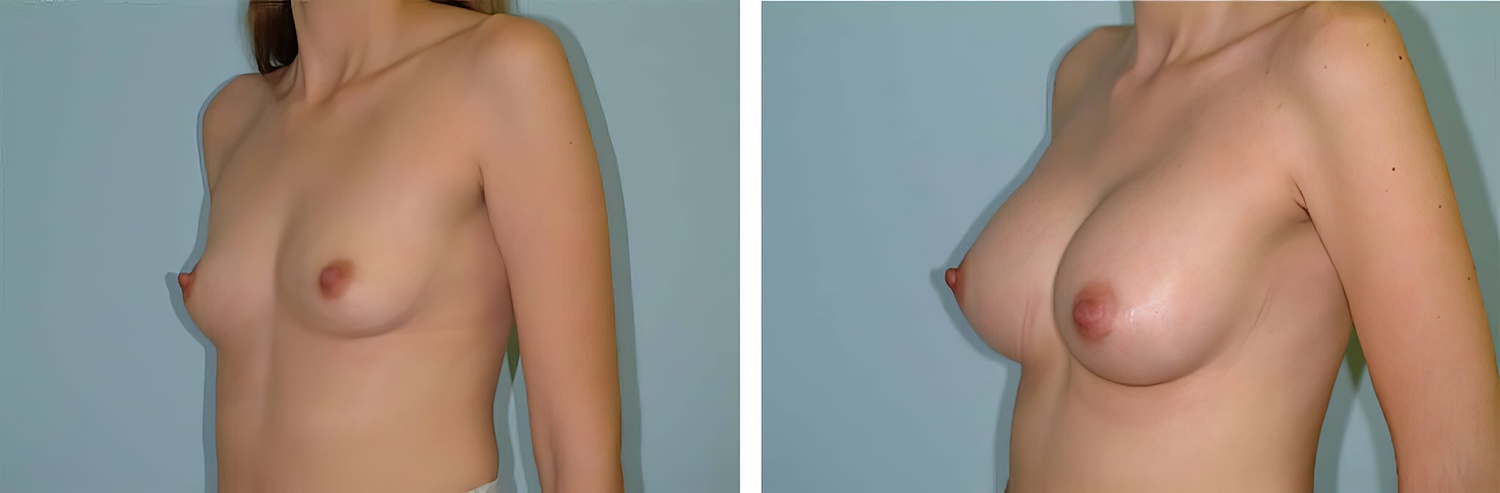
Breast Enhancement Before & After
Why Choose West Houston Plastic Surgery for Breast Augmentation?
Dr. Alfonso Barrera, M.D., F.A.C.S., is a board-certified plastic surgeon certified by both the American Board of Plastic Surgery and the American Board of Otolaryngology – Head and Neck Surgery. A Clinical Assistant Professor at Baylor College of Medicine, he is a past president of the Texas Society of Plastic Surgeons and former president of the Houston Society of Plastic Surgeons. With decades in private practice since 1985 and seven years of advanced surgical training, including at Harvard Medical School teaching hospitals, Dr. Barrera brings extensive experience and leadership to every procedure. He operates in his accredited on-site surgical facility (AAAASF), using IV sedation or total intravenous anesthesia to promote safety and comfort.
Dr. Eric Ruff completed a competitive integrated plastic surgery residency at the University of Texas Medical Branch after graduating with honors from Texas A&M College of Medicine and earning induction into the Alpha Omega Alpha Honor Society. He trained at respected institutions, including MD Anderson Cancer Center and Shriners Hospital for Children, and has received multiple academic awards for his research and publications. As an Adjunct Assistant Professor of Plastic Surgery at UTMB, Dr. Ruff remains active in education and innovation. Together, they offer patients in Houston a high level of surgical training, academic involvement, and experience in aesthetic breast surgery.
Breast Augmentation Frequently Asked Questions
Any procedure that requires an incision will result in a scar. With breast augmentation, the incision is placed carefully—most often in the natural crease beneath the breast—so it is well concealed once healed.
Your surgeon will make every effort to keep the incision as small and discreet as possible. Over time, scars typically fade and soften, though they will not disappear completely. How a scar heals depends on factors such as your skin type, genetics, and how closely you follow post-operative care instructions.
It is normal to experience soreness, swelling, tightness, and mild discomfort during the early recovery period. These symptoms improve gradually over the first few weeks as healing progresses.
Less commonly, complications such as bleeding (hematoma), infection, implant asymmetry, rippling, or changes in breast or nipple sensation can occur. In rare cases, an infection may require antibiotics or temporary implant removal. Your surgeon will review all potential risks with you in detail and provide clear post-operative instructions to help reduce complications.
Implants will not last forever and will likely need to be replaced with a subsequent operation. The length of time varies in each patient. However, if your breast implants do not give you problems, especially if they are saline-filled, you may leave them permanently. It’s wise to exchange silicone implants for a new pair after 10-15 years, as the wall of the implant weakens with time. For further information or questions, do not hesitate to contact Dr. Barrera and his staff.
Most patients return to non-physical work within a few days to one week after breast augmentation. If your job involves heavy lifting or strenuous activity, you may need closer to two weeks before returning.
Light walking is encouraged soon after surgery, but upper body workouts, running, and weight training should be avoided for several weeks. Your surgeon will give you specific guidance based on your healing progress.
Breast implants can make mammograms slightly more complex, but they do not prevent proper breast cancer screening. It is important to inform the imaging center that you have implants so they can use specialized techniques to improve the visibility of the breast tissue.
In some cases, additional views are taken to ensure thorough evaluation. Routine screenings should continue as recommended for your age and risk level.
If a saline implant ruptures, the breast will gradually lose volume as the saltwater solution is safely absorbed by the body. This change is usually noticeable fairly quickly.
If a silicone implant ruptures, the gel often remains within the surrounding scar tissue and may not cause immediate visible changes. Imaging studies, such as MRI or ultrasound, may be recommended to evaluate implant integrity. In either case, a ruptured implant typically requires surgical removal and replacement.
The right implant size depends on your body proportions, existing breast tissue, chest width, and personal goals. Choosing an implant that fits your frame helps create a balanced and natural appearance.
During consultation, you will discuss your preferences and may try different implant sizes using a sizing bra. This process helps you visualize potential results and select a size that complements your body.
You will notice an increase in volume immediately after surgery, but swelling and tightness are normal in the early stages. Implants may sit higher on the chest at first before gradually settling into a more natural position.
Most swelling improves within several weeks, but final results typically become more apparent over three to six months as the tissues fully heal and the implants settle.
Schedule Your Breast Implant Consultation In Houston!
If you have questions or would like to learn more about breast augmentation, contact our office at (713) 468-5200 or request a consultation online.
MENTOR®

Motiva